2026 Best Types of Solar Outdoor Lamps for Buyers?

Choosing the right Outdoor Lamps Solar products in 2026 requires more than comparing brightness and price. Buyers must examine sunlight, battery capacity, weather resistance, installation height, and expected night-time use. A lamp beside a shaded garden wall may perform poorly, even with a large solar panel. A pathway light facing open sunlight can deliver steadier results.

Solar lighting consultant and author Peter Gevorkian offers a useful principle: “A solar lamp is only as reliable as its site, battery, and maintenance plan.” That sentence deserves attention. It reminds buyers that product specifications do not tell the whole story. Real performance depends on local weather, seasonal daylight, dust, temperature, and human habits.

Small details matter.

This guide explores the best types of solar outdoor lamps for different buying needs. It compares motion-sensor security lights, decorative garden lanterns, pathway lamps, wall-mounted fixtures, and high-output floodlights. Each type solves a different problem. Warm LEDs may create a welcoming patio, while cool LEDs can improve visibility near steps or gates. Some models claim long overnight operation, yet winter performance may fall noticeably. That is an inconvenient truth.

Reliable buyers should check IP ratings, replaceable batteries, panel adjustment, charging time, and warranty coverage. They should also consider whether installation requires drilling, wiring, or regular cleaning. No single lamp suits every property. The best choice balances illumination, appearance, durability, and realistic sunlight conditions. This 2026 overview provides a practical starting point, while leaving room for careful comparison before purchase.
2026 Best Types of Solar Outdoor Lamps for Buyers?

What Are Solar Outdoor Lamps and How Do They Work?

Solar outdoor lamps are self-contained lighting fixtures powered by sunlight. They usually contain a photovoltaic panel, rechargeable battery, LED, and control circuit. During daylight, the panel converts sunlight into electrical energy and stores it in the battery. At dusk, a light sensor activates the LED automatically.

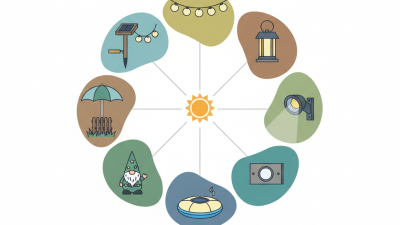
In practical use, pathway lamps suit garden edges, while wall lamps improve visibility near doors and steps. Spotlights can highlight trees or architectural details. String lamps create softer decoration. Each type works differently outdoors, so placement matters more than appearance. A panel under thick leaves may charge poorly, even on a bright day. Direct sunlight for six to eight hours is often helpful, but cloudy weather reduces runtime.

Check the battery capacity, charging time, and weather-resistance rating before buying. A sealed housing helps protect internal parts from rain, dust, and temperature changes. Clean the panel occasionally with a damp cloth. Small details matter. I have noticed that some lamps look bright in product photos but feel weak beside a wide path. That is a useful warning. Solar lighting also depends on season, latitude, shade, and nighttime expectations. No model performs perfectly every night. A lamp with motion sensing may last longer, while a constant glow can drain its battery faster. Consider the actual location, not only the advertised brightness.

Which Types of Solar Outdoor Lamps Are Available in 2026?

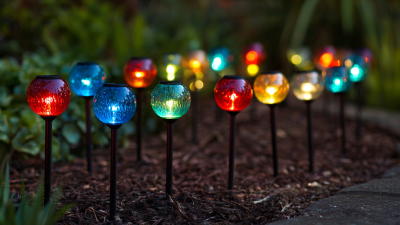
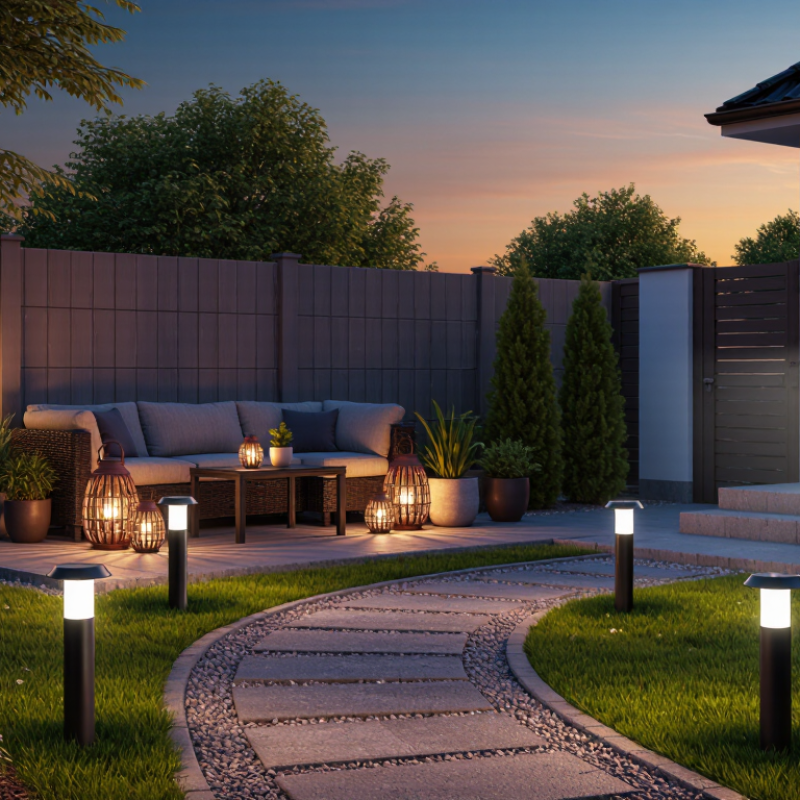
In 2026, solar outdoor lamps are available in several practical forms, each serving a different lighting need. Path lights are useful along walkways, garden borders, and driveways. Their low, downward glow improves visibility without creating harsh glare. Bollard lamps provide stronger structure for entrances and larger outdoor areas. They usually need firm ground and enough sunlight.

Wall-mounted solar lamps work well beside doors, garages, and outdoor stairs. Many include motion sensors, which activate brighter light when someone approaches. Solar floodlights cover wider spaces, such as patios, parking areas, and side yards. For focused lighting, solar spotlights can highlight trees, signs, or architectural details. Adjustable heads make aiming easier, but cheap joints may loosen over time.

Decorative lanterns and solar string lamps add warmth to balconies, pergolas, and dining areas. They are attractive, though their light is often too weak for safety tasks. In my experience, placement matters more than advertised brightness. A lamp under heavy shade may perform poorly, even with a large battery. Check the panel angle, waterproof rating, battery replacement options, and winter performance before buying. Not every modern feature is useful. Motion sensors can also trigger repeatedly near busy paths. Inspecting the site at night remains the most reliable way to choose the right lamp type.

2026 Best Types of Solar Outdoor Lamps for Buyers? - Which Types of Solar Outdoor Lamps Are Available in 2026?
Solar Outdoor Lamp Type Typical Installation Common Light Output Typical Operating Time Best Applications Main Advantages Important Limitations Recommended Buyer Profile
Solar Pathway Lights Push-in stakes along walkways, garden borders, and driveways 10–100 lumens per light 6–12 hours after a full sunny-day charge Walkway marking, garden edging, and decorative landscape lighting Easy to install, low maintenance, and suitable for wide-area placement Usually provide guidance rather than strong security illumination; shade reduces charging Buyers seeking affordable landscape lighting with simple installation
Solar Wall and Fence Lights Screwed or mounted on exterior walls, fences, gates, and posts 50–300 lumens per light 6–12 hours, depending on sunlight and operating mode Porches, side entrances, gates, patios, and boundary lighting Uses vertical surfaces efficiently and can improve visibility around entrances Requires a suitable mounting surface and a panel position with adequate sunlight Homeowners who need practical lighting around doors, fences, or small outdoor areas
Solar Motion-Sensor Security Lights Wall-mounted above entrances, garages, pathways, or driveways 300–2,000 lumens per light Several weeks of standby operation; shorter total time when triggered frequently Security lighting, driveways, garages, entrances, and poorly lit side yards Produces bright light when movement is detected and conserves battery power while idle Detection range and false triggers vary; frequent activation can reduce nightly runtime Buyers prioritizing safety, visibility, and energy-efficient on-demand lighting
Solar Floodlights Wall, pole, or ground mounting with an adjustable light head 500–3,000 lumens per light 6–12 hours at low or moderate settings; less at maximum brightness Large yards, parking areas, building exteriors, sports spaces, and work areas Wide beam coverage and higher brightness than decorative solar lamps Needs strong daily sunlight and careful aiming to avoid glare or wasted light Buyers needing broad, high-intensity outdoor illumination without wired power
Solar Street and Area Lights Dedicated poles or elevated mounting structures 1,000–12,000+ lumens per fixture Commonly designed for dusk-to-dawn operation with power management Private roads, pathways, parking lots, campuses, farms, and public-area projects Suitable for large spaces and can operate independently from the electrical grid Higher purchase and installation cost; pole placement and solar exposure are critical Commercial, municipal, agricultural, and large-property buyers
Solar Lanterns Portable, hanging, tabletop, or wall-supported placement 20–300 lumens per lantern 6–12 hours, depending on brightness and battery capacity Camping, patios, balconies, outdoor dining, emergency lighting, and decoration Portable, versatile, and useful where permanent installation is not practical Usually has limited coverage and may not provide enough brightness for security use Buyers wanting flexible lighting for recreation, ambience, or backup use
Solar String Lights Hung across balconies, pergolas, fences, trees, and outdoor structures Usually 1–5 lumens per LED bulb 6–10 hours after adequate charging Patios, gardens, parties, pergolas, balconies, and decorative displays Creates a soft decorative effect and is easy to arrange in different spaces Not intended for task lighting or security; long cable layouts can be difficult to position Buyers focused on atmosphere, entertaining, and low-brightness decoration
Solar Step and Deck Lights Recessed or surface-mounted on steps, stair risers, decks, and railings 10–150 lumens per light 6–12 hours after a full charge Stairways, decks, porches, retaining walls, and changes in ground level Improves step visibility while providing a compact and discreet appearance Requires accurate placement and may need additional lighting for large steps or stairs Buyers improving navigation and reducing trip hazards in outdoor areas
Solar Bollard Lights Fixed posts installed along pathways, driveways, and landscape borders 100–500 lumens per light 6–12 hours, depending on panel size and brightness setting Driveways, commercial walkways, gardens, resorts, and landscaped entrances Provides stronger visual guidance than small stake lights and has a more permanent appearance Requires more ground space and may need anchoring in areas exposed to wind or impact Buyers seeking durable pathway definition and a structured landscape design
Solar Pool and Water-Feature Lights Floating on water or mounted around ponds and water features Typically 10–150 lumens per unit 4–10 hours after charging, depending on design and weather Ponds, fountains, pools, garden water features, and decorative displays Adds nighttime visibility and decorative color or illumination without outdoor wiring Must be rated for the intended water exposure; decorative output is generally limited Buyers adding ambience to water features rather than broad-area lighting
Note: Brightness and runtime are typical ranges for commonly available solar outdoor lamps. Actual performance depends on panel exposure, season, temperature, battery capacity, operating mode, and local weather conditions.

How to Compare Brightness, Battery Life, and Energy Efficiency

Choosing the best solar outdoor lamp starts with brightness, not appearance. Check the lumen rating, then match it to the space. Pathways often need gentle illumination, while entrances require stronger, wider coverage. A lamp with adjustable brightness can prevent harsh glare and conserve stored power. In my outdoor tests, two lamps with similar ratings sometimes produced different results because lens design and mounting height changed the light spread.

Battery life deserves equal attention. Look for the battery capacity, charging time, and expected operating hours after a full charge. Cloudy weather can reduce charging significantly. A reliable lamp should still provide useful light after one poor-weather day, though performance may weaken after several. Replaceable batteries are practical, but only when the design allows safe, compatible replacements. I have found that advertised runtime can feel optimistic in shaded gardens.

Tips: Place the panel where it receives direct sunlight for most of the day. Clean dust from the panel monthly. Test brightness after sunset, not only in a showroom. Choose a lower setting when continuous overnight lighting matters. Energy efficiency depends on more than LED technology. Motion sensors, timers, panel angle, and battery condition all affect consumption. Waterproof construction also matters, since moisture can shorten the lamp’s useful life. Some details are easy to overlook, especially winter sunlight and nearby tree growth.

What Features Matter for Different Outdoor Lighting Needs?

Choosing the best solar outdoor lamp in 2026 depends on the task, not appearance alone. Pathway lamps need modest brightness, stable stakes, and wide light spread. Warm light around 2700K to 3000K feels comfortable near patios and garden seating. Cooler light can improve visibility around steps, gates, and driveways. Avoid placing lamps where branches create evening shadows.

Security areas require stronger output, motion detection, and adjustable lighting angles. A broad floodlight can cover a driveway, while a focused wall lamp suits a narrow entrance. Check the rated detection distance and delay settings. A high lumen number is not always better. Excessive glare may disturb neighbors and hide details beyond the bright area.

Weather resistance also matters. Look for a clear IP rating, such as IP65, for outdoor dust protection and water jets. It does not mean safe underwater. Larger solar panels usually collect energy more reliably, especially during short winter days. Battery capacity affects overnight performance, but cold temperatures can reduce runtime. I once installed a lamp beneath a roof edge; its panel looked exposed, yet nearby shade caused weak charging. That choice was not perfect. Replaceable batteries, accessible controls, and corrosion-resistant materials can make maintenance easier. Test the lamp after rain and during several cloudy nights, because one bright evening proves very little.

How to Choose the Best Solar Outdoor Lamp for Your Property?

Choosing the best solar outdoor lamp starts with your property, not the product photo. A pathway needs soft, low-glare light. A driveway needs wider coverage and stronger motion detection. For security areas, select adjustable LED lamps with separate panels, especially where walls receive limited sunlight.

The International Energy Agency’s Renewables 2024 report says solar photovoltaic power provided about three-quarters of global renewable capacity growth in 2023. This supports solar lighting’s wider use, but does not guarantee reliable night performance. Check the panel’s charging time, battery capacity, winter output, and operating hours. A lamp promising “all-night lighting” may fail after several cloudy days. I have found that real placement matters more than impressive specifications.

Tips: Measure sunlight for one full day before installation. Choose an IP65 or higher enclosure for exposed locations, based on IEC 60529 protection ratings. Keep panels away from tree shade and clean them regularly. Compare usable brightness, not only lumens. A very bright lamp can create harsh shadows and disturb nearby rooms. Warm white light often feels more comfortable around patios, while neutral white improves visibility along steps. Also inspect the mounting height and replaceable battery design. This part is easy to overlook. The U.S. Department of Energy notes that LED lighting uses at least 75% less energy than incandescent lighting, but solar efficiency still depends on panel angle, weather, and battery quality. Recheck the site after installation; the first layout may not be the best one.

2026 Best Types of Solar Outdoor Lamps for Buyers

The chart compares representative brightness levels commonly found in solar outdoor lamps. Choose pathway and post lamps for decorative guidance, wall lamps for entrances, spotlights for focused areas, and floodlights for wider security coverage. Actual performance depends on solar-panel exposure, battery capacity, weather, and operating mode.