Best Architectural Glass Options for Global Buyers?
Architectural Glass is a versatile material that plays a crucial role in modern design. From skyscrapers to residential homes, it offers both aesthetic appeal and functional benefits. Global buyers must understand the various options available to make informed decisions.
This extensive guide explores the best Architectural Glass choices for different projects. Each type has unique properties, influencing durability and cost. Clear glass, for instance, maximizes natural light but offers little insulation. Conversely, tempered glass provides strength and safety. Selecting the right type involves balancing these attributes with the specific needs of your project.
As the market evolves, new innovations present both opportunities and challenges. Buyers must stay informed about trends and technologies. This constant change can lead to decision fatigue. Architectural Glass is more than just a construction material; it’s a pathway to creativity and functionality. Understanding its various forms will empower buyers to elevate their projects.
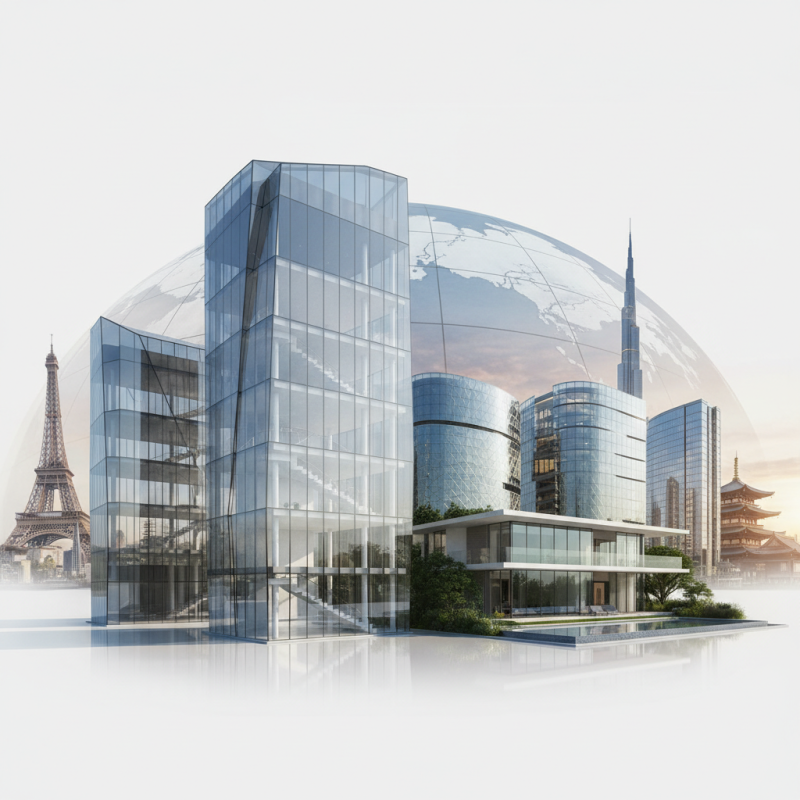
Best Architectural Glass Options for Global Buyers
When considering architectural glass options, buyers must prioritize both aesthetic appeal and performance. Various types exist, each with specific properties that can enhance a structure's design. For instance, low-emissivity glass effectively controls heat transfer while allowing natural light. This dual functionality can contribute to energy efficiency, a key factor for modern buildings.
Transparency is another critical aspect. Clear glass provides unobstructed views and a sense of openness. However, this can lead to increased heat gain. Tinted or reflective glasses may reduce glare but can alter the exterior appearance. Buyers should weigh these trade-offs based on their project's goals and location.
Safety features also warrant attention. Tempered glass is durable and can withstand harsh conditions. However, it can shatter upon impact. Laminated glass offers more security, as layers hold shards together, but it may be heavier and more expensive. Each option presents unique benefits and challenges, making it essential to deeply consider the specific needs of the project.
Best Architectural Glass Options for Global Buyers
| Glass Type | Thermal Insulation (U-value) | Sound Insulation (Rw) | Solar Heat Gain Coefficient (SHGC) | Transmittance (Tvis) | Applications |
| Low-E Glass | 0.20 | 33 dB | 0.30 | 0.80 | Commercial, Residential |
| Tempered Glass | 0.25 | 30 dB | 0.40 | 0.75 | Facades, Safety Features |
| Laminated Glass | 0.23 | 35 dB | 0.35 | 0.78 | Skylights, Sound Barriers |
| Double Glazing | 0.18 | 32 dB | 0.27 | 0.76 | Energy Efficient Homes |
| Smart Glass | 0.30 | 28 dB | 0.25 | 0.80 | Dynamic Architecture |
Overview of Architectural Glass and Its Applications
Architectural glass plays a crucial role in the construction industry, offering both aesthetic appeal and functional benefits. It is used in various applications, from facades and windows to interior partitions. The beauty of glass brings natural light into spaces, enhancing the overall atmosphere of buildings. Its transparency can create a sense of openness and connectivity with the environment.
Different types of architectural glass exist for distinct needs. Laminated glass provides safety and sound insulation, while coated glass improves energy efficiency. Tempered glass is popular for its strength and resistance to thermal stress. Each type serves unique purposes in modern architecture. However, selecting the right glass can be challenging. Factors to consider include climate, building design, and energy requirements. Buyers often face dilemmas regarding durability versus aesthetics.
As trends evolve, many architects prioritize sustainability. Increasingly, they seek glass solutions that minimize environmental impact. Recyclability and energy efficiency are becoming essential criteria. Balancing design with ecological responsibility is no small feat. Ongoing innovations in glass technology are promising yet may not always yield immediate results. In this dynamic landscape, it is vital for buyers to stay informed and adapt to advanced materials.
Types of Architectural Glass Available Globally
Architectural glass comes in various types that cater to global buyers. Each type offers unique properties suited to different needs. Laminated glass is popular for safety. It consists of two panes joined by a plastic interlayer. This design holds the glass pieces together if shattered. It provides excellent sound insulation as well.
Tempered glass is another widely used option. This type of glass undergoes a heating and cooling process, making it stronger and more durable. It is often used in facades and as a safety feature in buildings. However, if broken, tempered glass shatters into small, less harmful pieces. Consider this when planning your project.
Tips: Always measure accurately before purchasing glass. This minimizes waste and ensures a perfect fit. Also, explore options for energy-efficient glass. It can reduce heating and cooling costs over time. Lastly, assess the local climate. The choice of glass can significantly impact a building's energy performance.
Key Factors to Consider When Choosing Architectural Glass
When selecting architectural glass, several key factors come into play. Aesthetic appeal is essential. Glass can transform a building's appearance dramatically. Consideration should extend to color, texture, and transparency. Clear glass offers an open feel, while tinted options can provide privacy. Each choice impacts light penetration and energy efficiency.
Durability is another vital aspect. Architectural glass must withstand various environmental conditions. Factors include weather resistance and structural integrity. Understanding this helps prevent future issues. Thickness and treatment techniques contribute to longevity. Furthermore, thermal performance should guide decisions too. Low-emissivity coatings are popular for energy savings. They reflect heat, maintaining comfortable indoor temperatures.
Sustainability is increasingly important for global buyers. Selecting recyclable and energy-efficient glass can significantly reduce a building's carbon footprint. It shows a commitment to eco-friendly practices. Nevertheless, balancing cost and sustainability presents challenges. Buyers must weigh short-term expenses versus long-term benefits. This decision often requires careful consideration and reflection.
Sustainability and Energy Efficiency in Architectural Glass
When selecting architectural glass, sustainability and energy efficiency are paramount. Modern glass options provide thermal insulation and reduce energy consumption. High-performance glazing allows natural light while minimizing heat loss. This balance contributes to a more sustainable built environment.
Tips: Consider using double or triple glazing. They enhance insulation significantly. Check for low-emissivity coatings. This technology reflects heat and UV rays, promoting energy efficiency.
Choosing the right glass can be challenging. Not all glass is created equal. Some options may require more maintenance or have a shorter lifespan. Always evaluate the long-term benefits versus initial costs. Researching and consulting with experts can lead to informed decisions.
Energy-efficient glass can reduce reliance on heating and cooling systems. This not only lowers utility bills but also benefits the environment. Existing buildings can retrofit with better glass solutions, thus improving their energy performance. The impact is significant, yet sometimes overlooked. Efforts in improving glass technology are ongoing.
Conclusion
Architectural glass plays a pivotal role in modern construction, enabling innovative designs while providing functional benefits. This material is available in various types globally, including tempered, laminated, and insulated glass, each offering unique properties suited for different architectural needs. When selecting architectural glass, key factors such as durability, aesthetic appeal, cost, and compliance with building regulations should be considered.
Furthermore, sustainability and energy efficiency are increasingly important in architectural glass selection, with advancements in technology allowing for better insulation and reduced environmental impact. Understanding the leading manufacturers and suppliers worldwide can also aid buyers in making informed decisions that align with current trends and requirements in the construction industry. Emphasizing these elements ensures that buyers can choose the best architectural glass options for their specific projects.
