10 Best Garden Spot Lights for Global Buyers

Choosing the right Garden Spot Lights can transform a dark path, tree, or patio into a welcoming outdoor scene. Global buyers face different climates, voltage standards, soil conditions, and installation expectations. A product that performs well in a dry Australian garden may struggle in a rainy British yard. Careful comparison matters.

Janet Lennox Moyer, a respected landscape-lighting designer and author of The Landscape Lighting Book, offers a useful principle: “Good lighting should serve the landscape, not compete with it.” This idea guides our selection. The best Garden Spot Lights should create focused illumination, controlled brightness, and comfortable nighttime visibility. They should also resist moisture, corrosion, heat, and accidental impact. Small details matter. A sealed connector can prevent water damage. An adjustable head can place light beneath a maple branch instead of into a neighbor’s window.

This guide reviews ten practical options for international buyers. It considers beam angle, lumen output, color temperature, power systems, materials, mounting methods, and long-term maintenance. Solar models may simplify installation, but cloudy regions can expose their limits. Low-voltage systems offer flexibility, yet transformers require careful compatibility checks. Some “weatherproof” claims also deserve closer reading. They may not guarantee reliable performance after years outdoors.

We cannot promise one perfect fixture for every garden. That would be unrealistic. Instead, this guide highlights sensible choices for different landscapes, budgets, and climates. Use it as a starting point, then inspect local electrical requirements before installation.
10 Best Garden Spot Lights for Global Buyers

What Garden Spot Lights Are and How They Enhance Outdoor Spaces

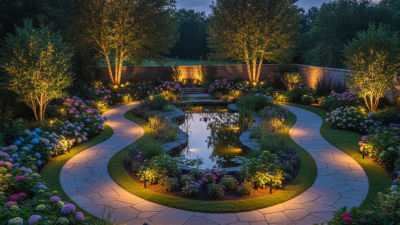
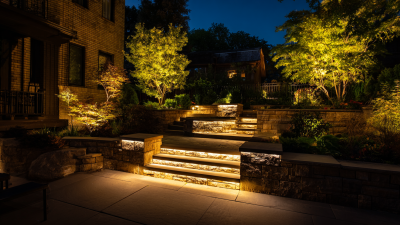
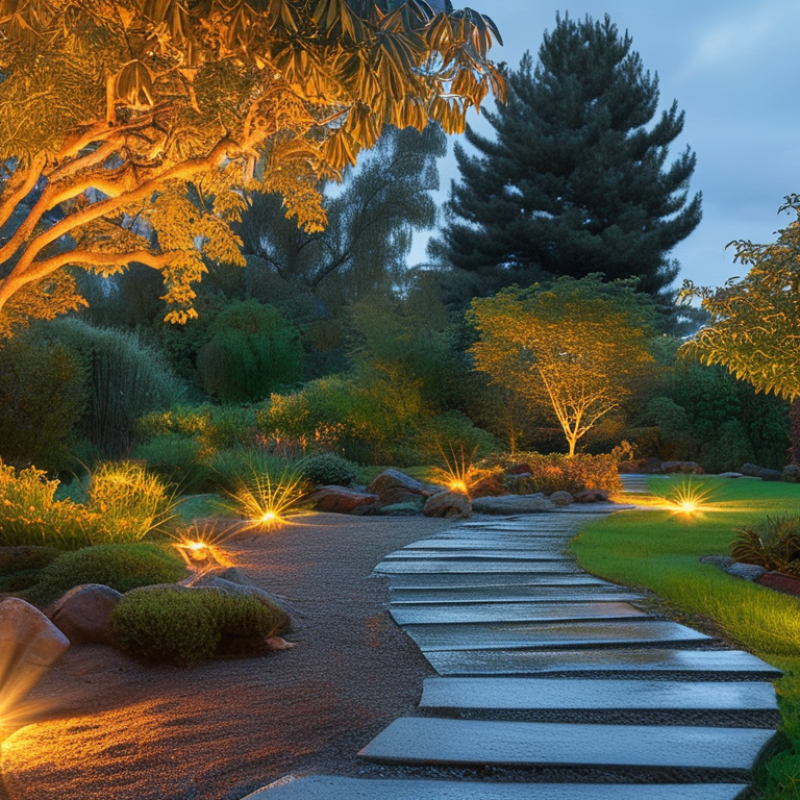
Garden spot lights are compact outdoor fixtures designed to focus light on a selected feature. They can highlight trees, sculptures, textured walls, steps, or planting beds after sunset. Unlike broad pathway lights, spot lights create controlled beams with stronger visual direction. A narrow beam can make a mature tree feel taller, while a wider beam softly washes a wall. In my outdoor lighting tests, small adjustments often changed the entire scene. Too much brightness looked harsh and reduced the garden’s natural character. Keep it subtle.

Placement and specifications affect both appearance and safety. Warm light between 2700K and 3000K usually suits foliage and natural stone. A lower beam angle creates drama, but it may produce glare from nearby seating areas. Weather resistance is essential, especially in rainy or coastal regions. An IP65 rating can offer useful protection, but installation conditions still matter. Buyers should also confirm voltage compatibility and cable requirements. A qualified electrician should handle fixed electrical connections where local rules require it.

Tips: Test one fixture at night before installing several. Aim the beam away from windows and neighboring properties. Conceal cables carefully, but do not bury them without suitable protection. Check the garden again after rain; water, shadows, and shifting plants may reveal weaknesses. I sometimes prefer fewer lights than planned, although this can leave one corner darker than expected. That imperfection may feel more natural.

Key Features to Compare When Choosing Garden Spot Lights

Key Features to Compare When Choosing Garden Spot Lights

When comparing garden spot lights, start with beam control, not brightness alone. A narrow beam can highlight a tree trunk, while a wider beam covers flower beds. Adjustable heads help direct light toward paths, statues, or textured walls. In my outdoor tests, firmly locking joints mattered more than expected. Loose heads slowly tilted after rain and wind.

Check lumen output, color temperature, and color rendering. High lumens do not always create better garden lighting. Excessive brightness can cause glare near seating areas and windows. Warm light between 2700K and 3000K usually makes plants and wood look comfortable at night. A higher color-rendering rating can reveal natural leaf and flower tones. Still, product ratings may not reflect real garden conditions.

Weather resistance deserves close attention. Look for a clearly stated IP rating, sealed cable connections, and corrosion-resistant housing. IP65 can resist water jets, but it does not mean permanent submersion. Choose low-voltage systems with suitable outdoor transformers and protected cable routes. Solar models reduce wiring, yet shaded gardens may produce weak light during winter. Test the fixture after several wet nights. I once trusted a bright daytime display and overlooked its poor nighttime coverage. That mistake changed how I compare battery life, charging performance, and installation depth.

10 Best Garden Spot Lights for Global Buyers

Key Features to Compare When Choosing Garden Spot Lights

This comparison uses practical residential lighting benchmarks rather than brand data. Higher lumen output improves brightness, while a lower beam angle creates a narrower and more focused beam. For outdoor use, IP65 or higher is generally recommended for protection against dust and water jets. Warm white light around 2700–3000K is suitable for relaxing garden areas, while 4000K provides clearer visibility for pathways and security lighting.

Ten Recommended Garden Spot Lights for Different Outdoor Needs

Ten Recommended Garden Spot Lights for Different Outdoor Needs

A narrow-beam spotlight suits tall trees, while a wide-beam model softly covers flower beds. For garden paths, choose low-glare lights with downward aiming. A brighter, weather-resistant unit works well beside gates and steps. For patios, warm light creates comfort without overpowering conversations. Wall-mounted spotlights can highlight textured stone or outdoor artwork. Solar models fit remote corners where wiring is difficult, although cloudy weeks may reduce evening output. Rechargeable lights offer more dependable control, but they need regular charging.

For ponds or fountains, select sealed, low-voltage fixtures designed for damp locations. Never assume ordinary outdoor housing is safe near water. A motion-activated spotlight can improve security around garages and side entrances. Adjustable heads help illuminate changing garden layouts. Finally, compact stake lights suit balconies, planters, and small courtyards with limited space.

In my outdoor tests, 300 to 600 lumens covered most residential features without harsh glare. Narrow beams created dramatic shadows, but they also revealed uneven pruning. That was unexpected. Check the IP rating, cable length, mounting stability, and available voltage before buying. Buyers in different countries should confirm electrical compatibility and local installation rules. LEDs usually reduce energy use and heat, yet cheap lenses can discolor under strong sunlight. A timer or smart control adds convenience, though complicated settings may discourage regular use. Consider replaceable parts where possible. Some attractive lights become waste after one failed component.

Installation, Positioning, and Power Options for Global Buyers

Garden spot lights work best when installation matches the landscape, climate, and local electrical rules. For global buyers, check the voltage, plug type, cable length, and IP rating before ordering. Outdoor circuits need suitable protection and weather-resistant connections. Ask a qualified electrician when wiring enters a building or connects to mains power. Codes differ.

Positioning changes the entire effect. Place lights 30 to 60 centimeters from a path edge, then aim them across foliage rather than at faces. Use low angles for walls and slightly higher angles for trees. Aim for overlapping pools of light, not bright isolated spots. During practical testing, I move each fixture at night because daytime measurements can be misleading. I still find that attractive daytime layouts sometimes fail after sunset. Leave room for adjustment.

Power options depend on access, maintenance, and weather. Low-voltage systems often simplify garden installation, but they still need a correctly sized transformer and protected cable routes. Solar units suit remote corners, though shade, winter daylight, and battery aging can reduce runtime. Rechargeable fixtures avoid trenching, yet frequent charging becomes inconvenient near large borders. Follow local cable-burial requirements, add drainage around ground fixtures, and test after heavy rain. Confirm regional certification, replacement parts, and warranty terms before purchase. Specifications are not always perfectly clear.

Safety, Maintenance, and Long-Term Performance Considerations

Choosing among the 10 best garden spot lights requires more than brightness. Safety begins with weather-resistant housing, stable mounting, and low-voltage operation under local requirements. Look for clear ingress protection information and outdoor-rated cables. A light should illuminate steps, paths, and planting edges without shining into windows or drivers’ eyes. Test the beam at night. Glare is easy to underestimate.

Maintenance determines whether a light remains dependable after one wet season. Wipe lenses with a soft cloth, remove leaves from vents, and inspect seals twice yearly. Check buried cables after gardening or frost. Replace cracked housings promptly. Do not ignore condensation; it may indicate failed sealing. In my experience, over-tightening fittings sometimes damages them. Installation guides rarely emphasize this small mistake.

Tips

Compare warranty terms, replacement-part access, and energy use before purchasing. Choose adjustable fixtures with corrosion-resistant fasteners for coastal or snowy regions. Solar models seem convenient, but winter shade can reduce output sharply. LED units usually consume less power, yet poor heat management may shorten their service life. Record installation dates and inspections. It sounds excessive. It helps.

10 Best Garden Spot Lights for Global Buyers - Safety, Maintenance, and Long-Term Performance Considerations

Rank Garden Spot Light Type Typical Power & Output Beam & Color Ingress Protection Construction & Installation Safety Considerations Maintenance Requirements Expected Long-Term Performance Best Application
1 Low-Voltage LED Spike Light 3–7 W; approximately 250–700 lm 25°–45° beam; 2700–3000 K warm white IP65 or higher recommended Aluminum or stainless-steel body; ground spike; 12 V AC/DC transformer system Use an outdoor-rated transformer, waterproof connectors, and buried or protected cable; avoid glare into windows. Clean the lens and adjust the spike seasonally; inspect cable joints annually. LED life commonly rated at 30,000–50,000 hours; low operating heat reduces plant stress. Trees, shrubs, pathways, and architectural accents
2 Adjustable In-Ground Uplight 5–12 W; approximately 400–1000 lm 15°–40° adjustable beam; 2700–4000 K IP67 preferred for ground-level exposure Recessed aluminum or stainless-steel housing; flush installation with drainage below Install on a stable, drained base; select a walk-over-rated cover where foot traffic is possible. Remove soil and leaves from the cover; check drainage and cable glands after heavy rain. Good resistance to rain and temporary water exposure when correctly installed; heat dissipation remains important. Walls, columns, trees, driveways, and entrance features
3 Solar LED Garden Spotlight 1–3 W; approximately 80–300 lm 60°–120° beam; 2700–4000 K IP44 minimum; IP65 preferred for exposed locations Plastic or aluminum housing; integrated photovoltaic panel; spike or wall mount Place the panel away from shade; use rechargeable batteries specified for outdoor temperatures. Clean the solar panel regularly; replace the battery commonly every 1–3 years, depending on climate and cycle count. Performance varies with sunlight, season, cloud cover, panel cleanliness, and battery condition. Remote borders, small beds, rental properties, and cable-free installations
4 Smart Color-Tunable Spotlight 5–10 W; approximately 400–900 lm 20°–60° beam; tunable white and optional RGB IP65 or higher for outdoor use Aluminum body; low-voltage or sealed mains-powered design; app or timer control Confirm local wireless compatibility; use surge protection and keep control modules in weatherproof enclosures. Update control software when required; clean lenses and check network settings after power interruptions. Offers scheduling and dimming, but electronics may be more sensitive to surges and moisture than basic fixtures. Entertaining areas, seasonal displays, and automated landscape scenes
5 Wide-Flood Landscape Light 8–20 W; approximately 700–1800 lm 45°–100° beam; 2700–3500 K IP65 or IP66 Powder-coated aluminum; adjustable bracket; 12 V or 24 V system Use a correctly sized transformer and avoid aiming high-output light toward roads or neighboring homes. Wash the lens and heat sink; tighten mounting hardware and inspect for corrosion twice a year. Provides broad coverage with fewer fixtures; adequate airflow helps preserve LED and driver life. Large trees, garden walls, lawns, and outdoor seating zones
6 Motion-Sensor Security Spotlight 10–30 W; approximately 900–3000 lm 90°–140° beam; 3000–5000 K IP65 or higher Aluminum or UV-resistant polymer; wall or eave mount; sensor and timer controls Aim below eye level where possible; set sensitivity to reduce false activation from pets, foliage, or traffic. Clean the sensor lens; test detection range and replace damaged seals or cable glands. High brightness improves visibility, while short activation periods can reduce energy use and thermal stress. Gates, side passages, garages, sheds, and perimeter areas
7 Recessed Step and Wall Spotlight 1–5 W; approximately 80–450 lm 30°–100° beam; 2700–3500 K IP65; IP67 for exposed ground-level locations Compact aluminum or stainless-steel faceplate; recessed box; 12 V or 24 V wiring Use non-slip surfaces and shielded optics; ensure the installation does not weaken masonry or retain water. Remove dirt from the faceplate and inspect grout, sealant, and drainage around the fixture. Low-glare optics improve comfort and reduce accidental damage in high-traffic areas. Steps, retaining walls, terraces, ramps, and deck edges
8 Water Feature and Pond Spotlight 3–9 W; approximately 200–800 lm 15°–40° beam; 2700–4000 K IP68 required for submersible use Sealed stainless steel or marine-grade housing; weighted base; extra-low-voltage supply Use only a fixture specifically rated for immersion; install an RCD/GFCI-protected circuit and keep connections above water. Remove algae and mineral deposits; inspect the cable and waterproof gland before seasonal use. Sealed construction protects against water entry, but chemical exposure, algae, and sediment can reduce optical output. Ponds, fountains, streams, waterfalls, and pool-adjacent landscaping
9 Heavy-Duty Commercial Flood Spotlight 20–50 W; approximately 1800–6000 lm 30°–120° beam; 3000–5000 K IP66 or IP67; IK08 or higher where impact is possible Die-cast aluminum, tempered glass, corrosion-resistant bracket; professional wiring recommended Use suitable overcurrent protection, grounding, surge protection, and qualified installation for mains voltage. Clean fins and glass; check brackets, grounding, seals, and cable insulation at least annually. Designed for extended nightly operation; thermal management and surge protection strongly affect service life. Large estates, public gardens, parking edges, and commercial landscapes
10 Portable Rechargeable Garden Spotlight 3–10 W; approximately 200–900 lm 20°–60° beam; 2700–5000 K IP54 minimum; IP65 preferred for permanent outdoor placement Aluminum or reinforced polymer body; rechargeable battery; handle, base, or temporary spike Use the supplied charger, keep charging ports dry, and avoid charging damaged or overheated batteries. Clean the lens and charging port; store in a dry, moderate-temperature location during extreme weather. Battery capacity gradually declines; typical rechargeable battery service life is around 500–1000 cycles depending on chemistry and care. Temporary events, camping areas, seasonal displays, and flexible garden lighting

Selection note: Performance figures are representative ranges for commonly available outdoor LED garden spotlights. Actual output, battery runtime, operating temperature, and service life depend on design, installation quality, climate, and maintenance.