How to Choose Exterior Kitchen Cabinets in 2026?

Choosing Exterior Kitchen Cabinets in 2026 requires more than matching a cabinet color to your patio. These cabinets face ultraviolet light, rain, salt air, heat, grease, and sudden temperature changes. The right choice must balance appearance, drainage, ventilation, materials, hardware, and long-term maintenance.

Industry reports support this cautious approach. The National Kitchen & Bath Association’s outdoor-living research shows that homeowners increasingly treat exterior spaces as functional kitchens, dining areas, and entertaining rooms. Grand View Research also identifies continued growth in the global outdoor kitchen market through 2030. However, market growth does not guarantee product quality. A cabinet beside a pool needs different protection than one installed under a covered terrace. Coastal homes need stronger corrosion resistance. Dry climates still demand protection from intense sunlight.

Russ Faulk, an outdoor-kitchen designer and former Kalamazoo Outdoor Gourmet executive, advises: “Design for the elements first.” That principle sounds simple. It is often ignored. A powder-coated aluminum frame may outperform untreated wood, while marine-grade stainless steel can offer better protection in coastal environments. Yet, stainless steel is not automatically maintenance-free. Fingerprints, salt deposits, and poor ventilation still create problems. This guide examines cabinet construction, weather resistance, storage planning, certifications, warranties, and installation details. It also questions attractive specifications that look impressive but lack independent testing. By comparing expert guidance, manufacturer documentation, and recognized industry research, you can select Exterior Kitchen Cabinets with greater confidence—and fewer expensive regrets.
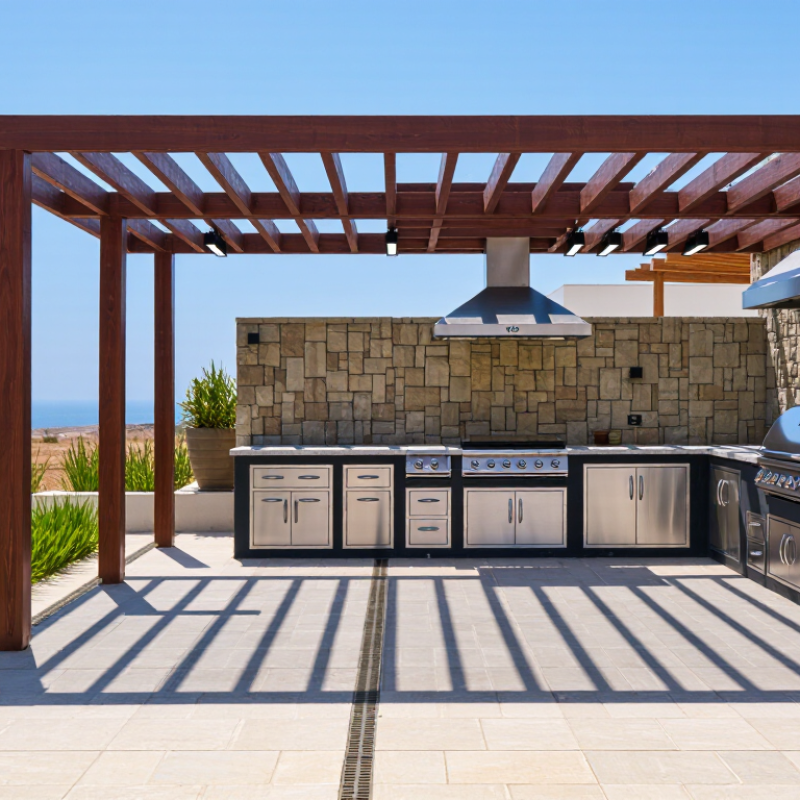
How to Choose Exterior Kitchen Cabinets in 2026?

Define Your Outdoor Kitchen Cabinet Needs and Layout

How to Choose Exterior Kitchen Cabinets in 2026?

Define Your Outdoor Kitchen Cabinet Needs and Layout

Begin with how you actually cook outdoors. Do you grill quick dinners, host large gatherings, or prepare full meals outside? Your answer determines cabinet space, counter length, and appliance placement. Sketch the area, then mark doors, windows, drainage points, and walking paths. Leave enough room for two people to pass safely.

Think in work zones: preparation, cooking, serving, and cleaning. Place frequently used tools near the cooking area. Store plates close to the serving counter. Keep waste and cleaning supplies near the sink, but separate them from food storage. Weather-resistant construction matters, especially where rain, heat, and coastal air are common. Check every material’s maintenance requirements before choosing it.

Tips: Measure twice, including appliance openings and door swings. Use temporary boxes to test your layout. This simple step can reveal awkward movement. Keep at least one deep cabinet for pans and seasonal items. Add drawers for utensils because they reduce bending. Consider shaded storage for sensitive supplies. I often see homeowners plan beautiful counters but forget ventilation and service access. That mistake becomes expensive later. Your first layout may be imperfect, and that is normal. Walk through it with a tray in your hands. A practical test beats a polished drawing.

How to Choose Exterior Kitchen Cabinets in 2026?

Define your outdoor kitchen cabinet needs and layout by evaluating the average annual precipitation in your local climate.

Wetter locations generally require fully weather-resistant cabinet construction, sealed edges, protected hardware, and improved drainage. Drier climates may place greater emphasis on UV-resistant finishes, dust protection, and ventilation. Climate figures are approximate 1991–2020 U.S. climate normals reported by NOAA National Centers for Environmental Information.

Compare Materials for Weather Resistance and Long-Term Use

How to Choose Exterior Kitchen Cabinets in 2026?

Exterior cabinets face sunlight, rain, humidity, salt, and repeated temperature changes. Material choice matters more than appearance alone. High-density polymer resists moisture well and will not rust, swell, or peel. It suits coastal patios and uncovered cooking areas. However, dark colors can absorb heat and may fade without strong UV protection. That matters.

Powder-coated aluminum offers a light, rigid cabinet shell with good resistance to insects and corrosion. Scratches can expose the metal, especially around handles and corners. Stainless steel performs strongly in wet environments, but coastal air can still cause surface staining. Choose corrosion-resistant grades and clean them regularly. Salt is unforgiving. Wood creates a warmer appearance, yet it demands more care. Dense exterior-rated timber needs sealing, ventilation, and inspection around joints. Even well-maintained wood can move slightly as moisture levels change.

During site checks, I look beneath sinks first. Small leaks often damage cabinet bases before owners notice them. I also test door alignment after seasonal changes, because hinges and panels may respond differently. Reliable construction includes sealed edges, adjustable hardware, drainage paths, and ventilation behind appliances. A material alone cannot solve poor installation. I once saw a durable cabinet fail early because water collected against an unsealed wall. That mistake was avoidable. Consider your local climate, exposure, cleaning habits, and repair access before selecting a finish. A slightly less decorative material may provide better long-term service.

Evaluate Cabinet Construction, Hardware, and Storage Features

How to Choose Exterior Kitchen Cabinets in 2026?

Outdoor cabinets face sunlight, rain, humidity, grease, and rapid temperature changes. Construction quality matters more than appearance alone. In my outdoor kitchen installations, sealed panels and reinforced corners have prevented swelling and movement. Look for weather-resistant cores, protected edges, and adjustable legs that keep cabinets above wet paving. Welded aluminum, treated composite panels, and properly sealed hardwood can perform well when specified for outdoor use. However, no material is maintenance-free.

Hardware deserves equal attention. Choose corrosion-resistant hinges, drawer slides, handles, and fasteners designed for exposed environments. Stainless steel hardware usually performs reliably, but its grade still matters near saltwater. Test doors in person. They should close evenly without scraping. Soft-close mechanisms feel refined, yet they can fail when water enters poorly protected housings. That detail is easy to overlook.

Tips: Check cabinet samples after soaking, heating, and repeated opening. Inspect the underside, not only the front. Use full-extension drawers for utensils and shallow pull-outs for oils. Store heavy cookware in reinforced drawers, while dry goods need raised, ventilated compartments. Leave space for airflow around appliances. I once planned generous storage but ignored lid clearance, creating an annoying daily obstruction. Measure cooking tools, fuel connections, and cleaning supplies before ordering. A beautiful layout can still work badly.

Match Cabinet Style, Color, and Finish to Your Outdoor Space

How to Choose Exterior Kitchen Cabinets in 2026?
Match Cabinet Style, Color, and Finish to Your Outdoor Space

An outdoor kitchen should look connected to its surroundings, not copied from an indoor showroom. Study the space at different hours. Warm wood tones suit stone patios and shaded gardens. Crisp gray or charcoal works well beside concrete, steel, and modern paving. In bright sunlight, very dark doors can become visually heavy and noticeably hot.

Style should support the architecture. Slab doors create a clean, contemporary line, while framed doors add familiar, crafted character. In coastal or humid areas, choose sealed edges, corrosion-resistant hardware, and finishes rated for exterior exposure. Ask for performance documentation, not just attractive samples. A finish that looks excellent under display lighting may fade beside a south-facing wall.

Color needs testing outdoors. Place large samples near the grill, wall, and flooring. Check them at noon and near sunset. Small chips mislead. I once preferred a cool gray sample, but it turned blue against nearby stone. That mistake taught me to compare undertones, not names. Finish also changes perception. Satin hides fingerprints better than gloss, while textured surfaces can collect grease and dust. They need more cleaning than expected. Leave ventilation space, protect cabinet bases from standing water, and inspect hinges each season. A beautiful match is useful only when it remains practical after cooking, weather, and ordinary neglect.

How to Choose Exterior Kitchen Cabinets in 2026? - Match Cabinet Style, Color, and Finish to Your Outdoor Space

Outdoor Space Recommended Cabinet Style Color Direction Suitable Finish Practical Material Choice Why It Works Care Requirement
Covered Patio Modern slab or flat-panel doors Warm white, light gray, or natural wood tones Low-sheen or satin Marine-grade polymer or powder-coated aluminum A sheltered area allows a clean, contemporary look while still requiring moisture-resistant construction. Wipe spills promptly; inspect hinges and seals twice a year.
Open Deck Simple shaker or recessed-panel doors Medium gray, charcoal, muted green, or teak-like brown Textured matte or satin Powder-coated aluminum or UV-stabilized polymer Mid-tone colors help balance changing daylight and coordinate with common deck materials. Clean after storms; avoid abrasive pads that can dull the finish.
Poolside Kitchen Handleless slab doors or flush-panel cabinets White, pale gray, sand, or blue-gray Satin with a smooth, easy-clean surface Nonporous polymer or marine-grade aluminum Nonporous surfaces are easier to clean after exposure to splashes, sunscreen, and chlorine-treated water. Rinse chemical residue with clean water and dry hardware regularly.
Coastal Location Flat-panel or narrow shaker doors with minimal joints Soft white, driftwood, pale blue, or light gray Smooth powder coat or sealed satin finish Marine-grade aluminum with corrosion-resistant stainless-steel hardware Salt air accelerates corrosion, so corrosion-resistant metals and sealed surfaces are important. Rinse salt deposits frequently; check fasteners and exposed edges for corrosion.
Urban Balcony Compact slab doors with integrated storage Light gray, matte black accents, or muted taupe Matte or low-sheen Powder-coated aluminum or sealed exterior-grade composite Streamlined doors maximize visual space and suit modern architecture. Use mild soap and water; confirm local building and load requirements before installation.
Garden or Greenhouse Area Shaker or framed-panel doors Sage green, olive, cream, or natural brown Textured matte UV-stabilized polymer or sealed exterior-rated composite Earth tones visually connect the kitchen with planting, timber, and natural stone. Remove soil and plant residue quickly; maintain ventilation to limit condensation.
High-Sun, Dry Climate Minimalist slab or louver-free flat-panel doors Light beige, pale gray, off-white, or light taupe UV-resistant matte or satin UV-stabilized polymer or durable powder-coated aluminum Light colors generally absorb less solar heat than dark colors, helping reduce surface temperature. Choose UV-rated finishes and provide shade where possible; inspect for fading annually.
Selection Check: Prioritize exterior-rated construction, sealed edges, corrosion-resistant hardware, UV resistance, and drainage. Confirm the cabinet manufacturer’s specifications for your local climate before purchasing.

Check Installation Requirements, Maintenance, and Total Cost

How to Choose Exterior Kitchen Cabinets in 2026?

Exterior cabinets need more than attractive doors and weather-resistant labels. Check local building requirements before ordering. Some areas require permits, certified electrical work, or approved gas connections. A professional installer should confirm clearances around grills, sinks, and combustible walls. The base must be level, reinforced, and designed for drainage. I once underestimated delivery access, and moving large cabinets through a narrow gate added unexpected labor.

Maintenance affects long-term value. Choose sealed surfaces, corrosion-resistant hardware, and materials suited to strong sunlight and changing temperatures. Inspect hinges, joints, and plumbing connections every few months. Wipe away grease quickly, especially near cooking equipment. Use fitted covers during storms, but allow cabinets to dry before covering them. Small water marks can become serious damage. I still think open shelving looks convenient, though it usually demands more cleaning than expected.

Tips: Request a written installation plan. Measure pathways twice. Ask who handles permits and utility cutouts. Compare the total cost, not only the cabinet price. Include delivery, site preparation, installation, lighting, appliances, drainage, covers, and future repairs. A cheaper cabinet can become expensive after custom modifications. Keep invoices, material details, and care instructions for later service. If a contractor avoids precise answers, pause before paying a deposit.