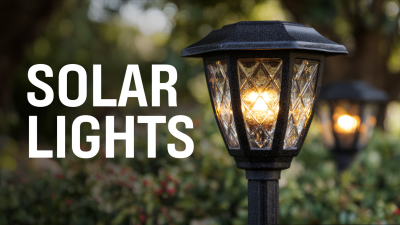
What Are the Top Solar Garden Lights for Global Buyers?
Choosing the best Solar Light Garden products requires more than comparing brightness or attractive packaging. Global buyers face different sunlight levels, rainfall patterns, soil conditions, and customer expectations. A light that performs well in sunny Spain may struggle during winter in northern Europe. In tropical regions, sealed housing and corrosion resistance matter more than decorative design.
Thomas Edison, a pioneer in electric lighting and solar-energy advocacy, once said, “I’d put my money on the sun and solar energy. What a source of power!” His words remain relevant, but modern buyers need practical evidence. Solar garden lights should be evaluated through panel efficiency, battery chemistry, charging time, runtime, lumen output, and waterproof protection. Installation also matters. A pathway lamp with a weak ground spike may tilt after one storm.
Small details matter.
Reliable suppliers should provide clear testing information, product photographs, replacement-part policies, and warranty terms. Buyers should also check whether electrical ratings, battery shipping rules, and recycling requirements fit their target markets. These requirements vary by country and can change.
No ranking is perfect. Marketing claims sometimes look stronger than real performance. A light advertised for twelve hours may deliver less after cloudy weather, aging batteries, or poor placement. This article compares leading options through a buyer-focused lens, combining outdoor experience, technical specifications, durability, visual comfort, and long-term value. The goal is not to promote the brightest product, but to identify dependable Solar Light Garden solutions for different climates, budgets, and commercial uses.
Types of Solar Garden Lights for Different Outdoor Spaces
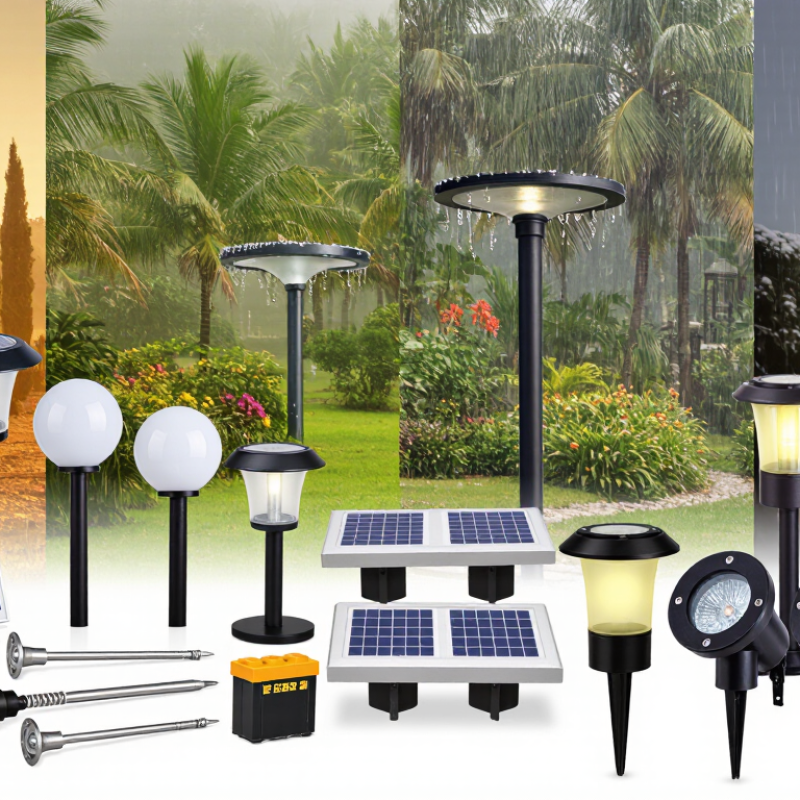
Solar garden lights serve different outdoor spaces, so the best type depends on function, layout, and local weather.
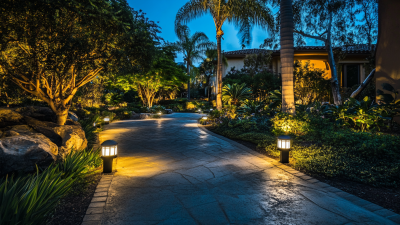
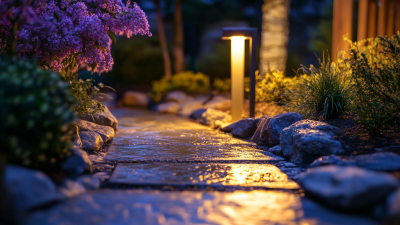
Path lights create low, even illumination along walkways, driveways, and flower borders. Their downward glow helps reduce glare near eye level. Choose models with stable stakes for loose soil. For stone paths, a wider base may work better.
Spotlights direct stronger beams toward trees, walls, sculptures, or entrance signs. Adjustable heads are useful when seasonal landscaping changes. However, excessive brightness can disturb neighbors and hide the garden’s natural character. Brighter is not always better.
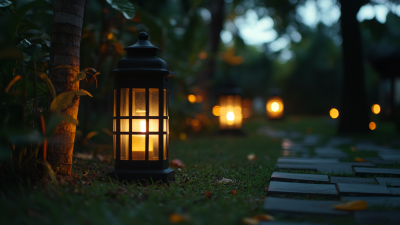
Lantern-style lights suit patios, balconies, and dining areas. They add visual warmth but may provide limited task lighting.
Wall-mounted solar lights can improve visibility near gates, steps, and outdoor storage areas. Check mounting surfaces before purchasing.
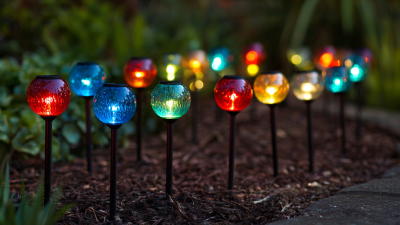
String lights are suitable for pergolas and railings, especially where a decorative effect matters more than security.
In-ground lights produce a clean look around lawns or decks, though they require careful drainage and level installation. Placement matters.
Global buyers should compare battery capacity, panel size, charging time, and weather resistance. A high IP rating can help in rainy or dusty regions, but it does not guarantee perfect performance. Cold winters may reduce battery output, while shaded gardens can leave panels undercharged. Cleaning the panel every few weeks is easy to forget. So is replacing aging batteries. Product specifications should be checked against local electrical and environmental requirements, because outdoor conditions differ more than photographs suggest.
How to Compare Solar Garden Lights for Global Buying Needs
What Are the Top Solar Garden Lights for Global Buyers?
How to Compare Solar Garden Lights for Global Buying Needs
Global buyers should compare performance, safety, and service life rather than appearance alone. The IEA PVPS Trends 2025 report recorded about 553 GW of new solar capacity worldwide in 2024. This growth supports wider solar lighting adoption, but product quality still varies sharply. Check the panel’s rated wattage, battery chemistry, charging time, and light output in lumens. A lamp claiming “all-night lighting” may perform differently during winter or rainy seasons.
Weather protection deserves careful attention. IEC 60529 defines IP ratings, while IP65 generally indicates protection against dust and water jets. It does not guarantee safe underwater use. Examine the battery compartment, cable seals, and mounting strength. For coastal buyers, corrosion-resistant metals and sealed connectors matter. A small garden light can face salt spray, freezing temperatures, and repeated impact.
Tips: Request test reports, photometric data, and battery cycle information from suppliers. Compare samples after three cloudy nights, not one sunny evening. Confirm spare-part availability and packaging standards. The Global Off-Grid Lighting Association also emphasizes quality assurance and consumer protection in solar lighting markets. A practical mistake is trusting the brightest sample. Brightness alone can hide poor battery capacity, weak charging efficiency, or short lifespan. Compare total cost over two years, including replacement batteries and shipping.
Installation and Maintenance Factors Across Different Climates
For global buyers, climate should guide solar garden light selection more than appearance. In hot regions, place panels away from afternoon shade and leave airflow around the battery housing. The IEA PVPS Task 13 report notes that dust can reduce annual photovoltaic output by roughly 3–4%, while severe sites may lose over 20%. A dry cloth and monthly inspection can therefore protect evening runtime. Do not clean panels during peak heat. Sudden water contact may stress hot surfaces.
Humid and coastal locations need sealed housings, corrosion-resistant fasteners, and protected charging ports. An enclosure rated at least IP65 offers useful resistance against dust and water jets, but installation quality still matters. Salt spray can attack screws and contacts faster than expected. Check these areas every three months. In cold climates, battery capacity temporarily falls, and snow can block the panel completely. Mounting the panel at a steeper angle helps, although local wind exposure must be considered.
NREL’s analytical review of photovoltaic degradation found a median module decline near 0.5% annually. Small garden-light panels may perform differently, yet the principle remains practical: aging is gradual, while poor maintenance is immediate. Use replaceable rechargeable batteries when possible, and inspect seals after extreme weather. Realistically, “maintenance-free” is an optimistic phrase. A forgotten panel can turn a well-designed light into a dim decoration within weeks.
Safety, Certifications, and Sustainable Purchasing Considerations
What Are the Top Solar Garden Lights for Global Buyers?
For global buyers, safety begins with a clear product file, not attractive packaging. Look for test reports covering electrical safety, battery performance, electromagnetic compatibility, and outdoor use. Relevant IEC standards can provide a useful reference, but requirements differ by destination. A conformity mark alone is not enough. Ask for the declaration, laboratory details, and report dates.
Outdoor protection matters in real gardens. An IP65-rated housing can resist rain and dust, but poor installation may still cause water entry. Check cable seals, battery covers, sharp edges, and ground-stake strength. Lights should remain stable beside a wet path or children’s play area. In colder regions, confirm the battery’s operating range. In shaded gardens, examine charging time rather than trusting bright product images. The lumen figure may mislead.
Sustainable purchasing requires evidence beyond a recyclable carton. Choose models with replaceable batteries, durable housings, and accessible spare parts. A failed battery should not turn the entire lamp into waste. Ask whether the battery chemistry, plastic parts, and packaging are clearly identified for local recycling systems. Smaller shipments and consolidated packaging can also reduce transport impacts. However, sustainability claims are sometimes vague. I would question any supplier that offers no lifecycle information, repair guidance, or realistic service period. A slightly dimmer light may be the wiser choice if it lasts several seasons.